Asus ROG Keris II Ace Mouse: Revolutionizing Lightweight Gaming
Introduction
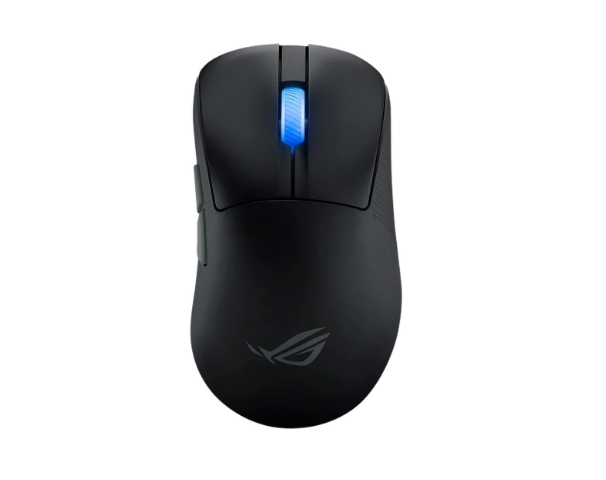
Imagine flicking your wrist in a heated FPS match, and your cursor snaps to the target with zero resistance – that’s the magic of a truly elite gaming mouse. The Asus ROG Keris II Ace mouse isn’t just another peripheral; it’s a featherweight champion designed for those split-second decisions that win games. Weighing in at a mere 54 grams, this mouse combines cutting-edge tech with pro-player input to deliver unparalleled responsiveness. Whether you’re dominating in Valorant or exploring vast open worlds, this mouse elevates your setup without weighing you down.
Thank you for reading this post, don't forget to subscribe!Launched in early 2024, the Keris II Ace has held its ground into 2026 as a top contender in the esports scene. Its bio-based nylon shell feels premium yet sustainable, and the ergonomic shape hugs your hand like it was custom-molded. But what sets it apart? Let’s unpack the details, from its blistering sensor to real-world performance, and see why it’s become a staple for serious gamers.
What Sets the Asus ROG Keris II Ace Mouse Apart?
The heart of any gaming mouse is its sensor, and the ROG AimPoint Pro optical sensor here is a beast. Clocking in at 42,000 DPI – yes, you read that right – it offers pinpoint accuracy with less than 1% deviation, even on tricky surfaces like glass. Tracking speeds hit 750 IPS, and acceleration tops out at 50G, making it ideal for fast-paced action where every pixel counts.
Connectivity is another highlight. With tri-mode options – wired USB, Bluetooth 5.1, or 2.4GHz wireless – you can switch seamlessly based on your needs. The ROG SpeedNova wireless tech ensures sub-1ms latency, rivaling wired connections. Battery life stretches up to 107 hours in 2.4GHz mode without RGB, or 134 hours via Bluetooth, so you won’t be scrambling for a charge mid-session.
The switches? ROG Optical Micro Switches rated for 100 million clicks provide crisp, debounce-free actuation. No more accidental double-clicks – just reliable performance. And for customization, the Armoury Crate software lets you tweak DPI profiles, polling rates, and even RGB on the scroll wheel.

Asus ROG Keris II Ace Review | PCMag
One unique touch is the ROG Polling Rate Booster dongle, pushing wireless polling to 4,000Hz and wired to 8,000Hz. This isn’t just hype; in competitive play, higher polling reduces input lag, giving you that edge in twitch shooters. The mouse’s bio-nylon exterior, derived from castor oil, adds an eco-friendly vibe without sacrificing durability.
Comparison: Asus ROG Keris II Ace Mouse vs. Rivals
In the crowded field of lightweight gaming mice, the Keris II Ace stands tall against heavyweights like the Razer Viper V3 Pro and Logitech G Pro X Superlight 2. All three prioritize speed and minimalism, but differences in shape, weight, and features make each suited to specific playstyles.
Let’s break it down in a side-by-side comparison:
| Feature | Asus ROG Keris II Ace | Razer Viper V3 Pro | Logitech G Pro X Superlight 2 |
|---|---|---|---|
| Weight | 54g | 54g | 60g |
| Shape | Ergonomic right-handed | Symmetrical ambidextrous | Symmetrical ambidextrous |
| Sensor | ROG AimPoint Pro (42,000 DPI) | Focus Pro 35K Optical (35,000 DPI) | HERO 2 (32,000 DPI) |
| Max Polling Rate | 8,000Hz wired / 4,000Hz wireless | 8,000Hz wired / wireless | 2,000Hz wireless |
| Battery Life | Up to 107 hours (2.4GHz) | Up to 95 hours | Up to 95 hours |
| Switches | Optical, 100M clicks | Optical Gen-3, 90M clicks | Optical, 100M clicks |
| Connectivity | Tri-mode (Wired, BT, 2.4GHz) | Wired / 2.4GHz | Wired / 2.4GHz |
| Price (as of 2026) | ~$159 | ~$159 | ~$159 |
| Unique Perk | Polling Rate Booster, bio-nylon shell | HyperPolling dongle included | Hybrid optical-mechanical switches |
Data sourced from official specs and reviews.
The Keris II Ace shines in ergonomics – its curved design supports palm or claw grips better than the symmetrical Viper or Superlight, reducing fatigue during marathon sessions. If you prefer a neutral shape for ambidextrous use, the Viper V3 Pro edges out with slightly superior mouse feet for smoother glides. The Superlight 2, while a tad heavier, offers rock-solid build quality and is a favorite among pros for its no-frills reliability.
In head-to-head tests, the Keris II Ace’s higher DPI ceiling gives it an advantage in ultra-high sensitivity setups, but real-world differences are subtle. For example, in aim trainers like Kovaak’s, the Asus felt snappier at 4K polling compared to the Logitech’s 2K max. However, the Razer’s full 8K wireless polling could tip the scales for hardcore competitors willing to trade a bit of battery life.
If you’re upgrading from an older mouse like the original Keris Wireless, the II Ace feels like a refined evolution – lighter, faster, and more precise. Check out our guide on best gaming mice for FPS for more options.
Key Insights: Hands-On with the Asus ROG Keris II Ace Mouse
Beyond specs, what does using the Keris II Ace feel like? In extended gaming sessions – think 8-hour grinds in Apex Legends – its 54g weight is transformative. Your hand glides effortlessly, reducing strain that heavier mice cause. The textured sides provide grip without being abrasive, and the low-profile buttons encourage a relaxed claw grip.
One fresh perspective: This mouse bridges the gap between esports pros and casual enthusiasts. Co-developed with FPS players, its shape prioritizes control over gimmicks. Personally, switching from a 70g mouse, I noticed immediate improvements in tracking consistency – no more overcorrections in tight corners.
Software integration via Armoury Crate is intuitive, allowing on-the-fly DPI swaps (up to three onboard profiles) and macro setup. It’s not as bloated as some rivals, focusing on essentials like lift-off distance calibration.
A unique insight from 2026 usage trends: With the rise of high-refresh-rate monitors (like 540Hz panels), the Keris II Ace’s polling booster future-proofs your setup. In multiplayer titles, that extra responsiveness can mean the difference in clutch moments. Drawbacks? The RGB is minimal (just the wheel), which might disappoint flash-lovers, and at $159, it’s premium-priced.
- Pros:
- Ultra-light and ergonomic for all-day comfort
- Exceptional sensor and low latency
- Versatile connectivity options
- Cons:
- Limited programmable buttons (six total)
- No included grip tape for sweaty hands
For more on sensor tech, explore Asus ROG’s innovation hub.
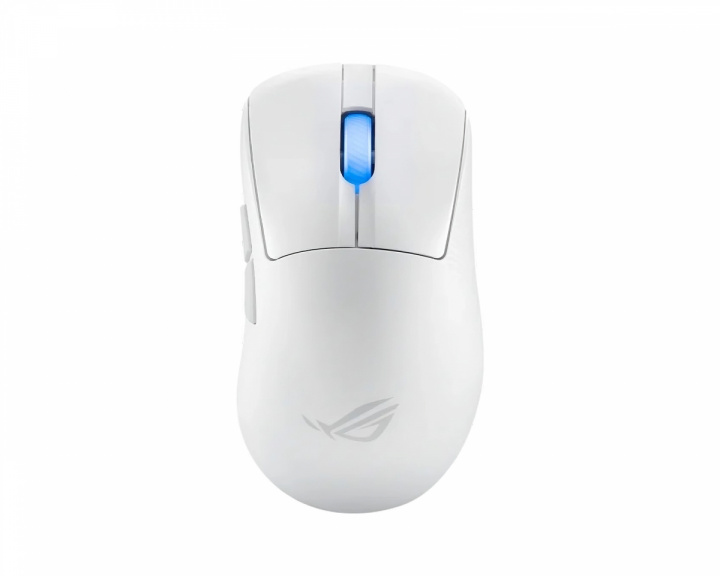
Asus ROG Keris II Ace Wireless Gaming Mouse – White
Long-term durability holds up well; after months of use in reviews, no switch degradation or battery issues surfaced. It’s also compatible with the ROG Omni Receiver for multi-device pairing, a boon for streamers juggling setups.
Conclusion
The Asus ROG Keris II Ace mouse redefines what a lightweight gaming mouse can be – precise, comfortable, and built for victory. If you’re tired of bulky peripherals holding you back, this is your upgrade. Its blend of pro-grade features and everyday usability makes it a standout in 2026’s market.
Ready to level up? Grab the Keris II Ace from Amazon or Asus’s official store. Share your thoughts in the comments: What’s your go-to gaming mouse, and would you switch to this one? Don’t forget to subscribe for more tech deep dives – your next gear obsession awaits!