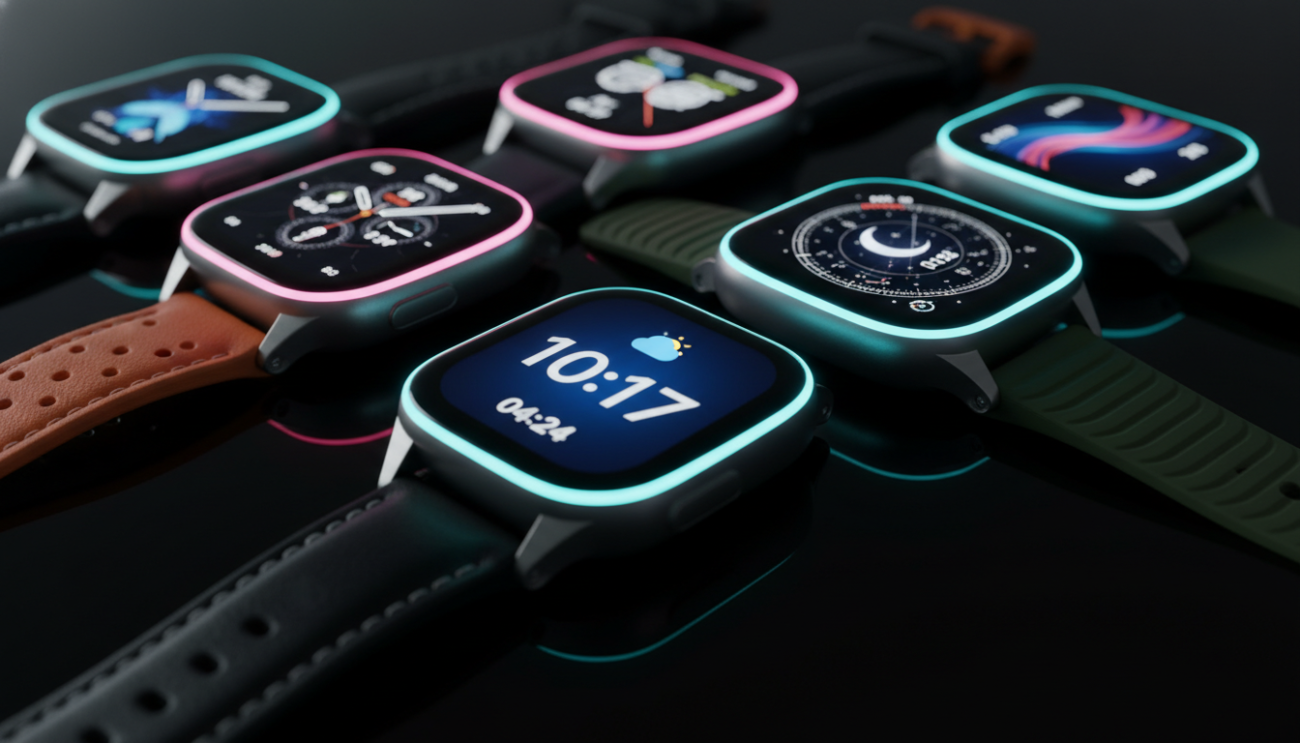
Imagine slipping on a smartwatch that doesn’t just count steps or show notifications—it quietly alerts you to rising blood pressure risks, coaches your morning run with AI precision, and lasts through a full weekend without charging. In 2026, the smartwatch game has leveled up dramatically. Preventive health alerts, seamless AI assistants, and battery breakthroughs have turned these wearables into true daily companions rather than occasional gadgets.
Thank you for reading this post, don't forget to subscribe!Whether you’re an iPhone loyalist, Android devotee, or serious athlete chasing PRs, the right smartwatch can transform how you track health, stay connected, and even prevent issues before they escalate. I’ve analyzed dozens of hands-on reviews, official specs, and real-user feedback from 2025-2026 launches to cut through the hype. Let’s dive into the top contenders—Apple, Samsung, Google, and beyond—with fresh perspectives on what actually matters in real life.
The Smartwatch Landscape in 2026: Bigger Leaps Than You Think
2026 isn’t just about incremental upgrades. We’re seeing the first wave of truly predictive health tools (think hypertension notifications and advanced sleep apnea detection) and AI that feels helpful rather than gimmicky. Battery life has finally hit “all-day-plus-overnight” territory for mainstream models, and repairability is emerging as a selling point. Ecosystem lock-in remains real, but cross-platform smarts are closing the gap.
The big three—Apple, Samsung, and Google—dominate for most people, but Garmin and OnePlus carve out niches for fitness obsessives and battery maximalists. Prices start around $349, with premium rugged options pushing $799. Here’s who wins where.
Apple Watch Series 11: Still the Gold Standard for iPhone Users
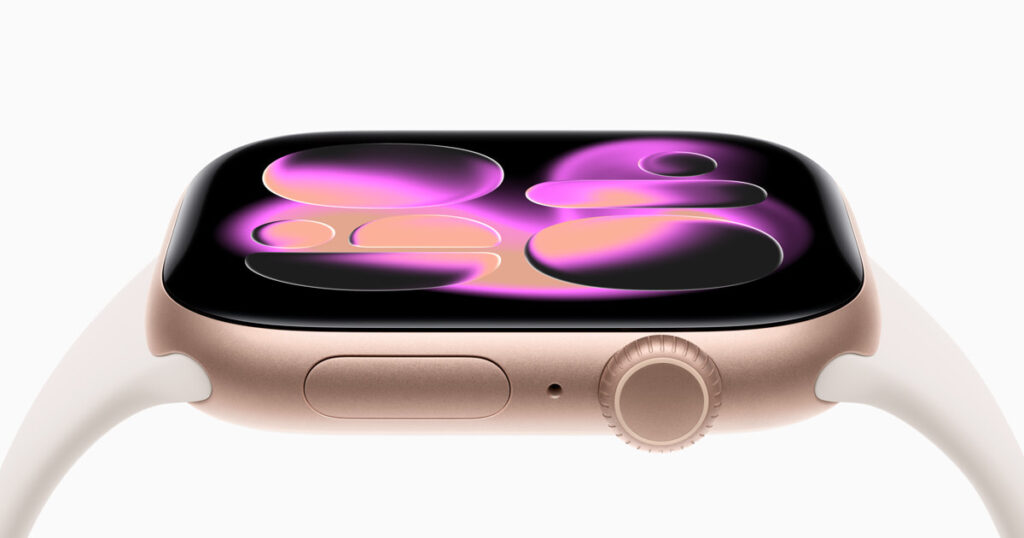
If you live in the Apple ecosystem, the Apple Watch Series 11 (starting at $399) remains the smartest, most polished smartwatch you can buy. The 42mm or 46mm aluminum (or titanium) case feels slim and premium, with a wide-angle Always-On Retina display hitting 2,000 nits—bright enough for Mumbai’s harsh sunlight.
New 2026 highlights include FDA-cleared hypertension notifications (tracking trends over 30 days to flag risks early) and a full sleep score with apnea detection. The S10 chip powers on-device Apple Intelligence features like Workout Buddy for personalized coaching. Battery life? A genuine 24 hours of normal use (up to 38 hours in Low Power Mode), plus fast charging that gives you 8 hours from just 15 minutes. 5G cellular and 2x more scratch-resistant glass seal the deal.
Fresh insight: The hypertension feature isn’t just another sensor—it’s preventive medicine on your wrist. Users report sharing data directly with doctors, turning the smartwatch into a proactive health partner rather than a passive tracker.
Pros: Unbeatable iOS integration, accurate ECG/SpO2/temp tracking, seamless apps. Cons: iPhone-only; battery still trails dedicated fitness watches.
(For rugged adventures, step up to the Apple Watch Ultra 3 at $799 with 42-hour battery and extreme durability.)
Samsung Galaxy Watch 8: Android’s Most Comfortable All-Rounder
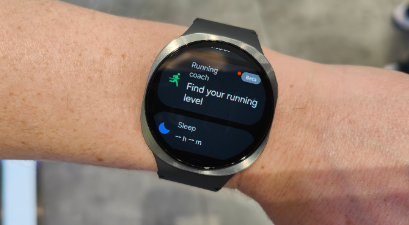
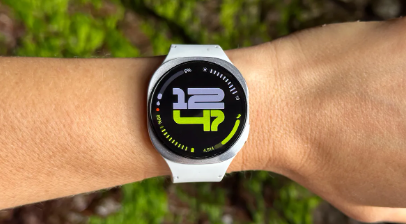
Samsung’s Galaxy Watch 8 ($349 for 40mm, $379 for 44mm) finally nailed comfort with a lighter, squircle-inspired design that sits flatter on the wrist. The Super AMOLED display now peaks at 3,000 nits, and the Exynos W1000 chip (3nm) delivers snappier performance on Wear OS 6.
Standout 2026 features: Gemini AI for voice coaching, a new Antioxidant Index skin sensor, vascular load tracking, and an improved Running Coach. Battery hits ~36-40 hours in real tests—enough for overnight sleep tracking without panic. Full body-composition analysis, ECG, and deep Samsung phone integration (e.g., advanced sleep apnea insights) make it shine with Galaxy devices.
Unique perspective: Samsung’s AI feels less “robot assistant” and more personal trainer—Gemini actually adjusts workout plans based on your recovery data. The Antioxidant metric is novel but still emerging; it’s the sleep and running coaching that users rave about most.
Pros: Excellent Android experience, bright display, comfortable all-day wear. Cons: Best features unlock with Samsung phones; some sensors feel experimental.
(The Classic version adds a rotating bezel for $499 if you love tactile controls.)
Google Pixel Watch 4: Sleek Design Meets Gemini Smarts
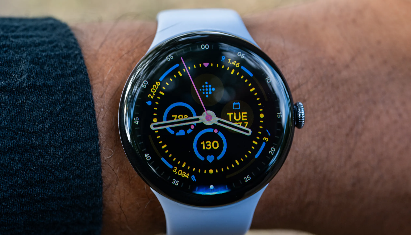
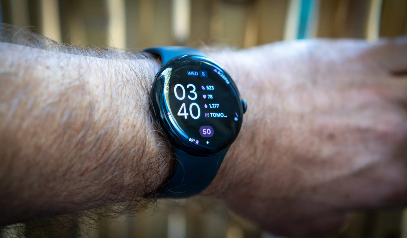
Google’s Pixel Watch 4 ($349 for 41mm Wi-Fi) brings the prettiest design of the bunch: a domed glass display that feels premium and reduces bezels dramatically. It’s now repairable (battery and screen swaps via iFixit), a huge 2026 win for longevity.
Battery jumps to 30-40 hours (up to 72 hours in saver mode on the 45mm), with 50% charge in 15 minutes. Fitbit-powered health tracking includes cEDA stress sensing, advanced sleep, SpO2, ECG, and skin temperature. Gemini AI integration is seamless, and satellite SOS works without cellular coverage. Dual-frequency GPS shines for runners.
Insight from real use: Pairing with a Pixel phone creates magic—auto-call screening replies, smart home control, and AI insights feel native. The domed display isn’t just pretty; it improves outdoor readability massively.
Pros: Stunning looks, repairable, excellent Fitbit health suite. Cons: Slightly less polished apps than Apple; best with Pixel phones.
Head-to-Head Comparison: Which Smartwatch Wins?
| Feature | Apple Watch Series 11 | Samsung Galaxy Watch 8 | Google Pixel Watch 4 | Garmin Venu 3 (Bonus) |
|---|---|---|---|---|
| Starting Price | $399 | $349 | $349 | ~$450 |
| Battery Life | 24h (38h low power) | 36-40h | 30-40h (72h saver) | Up to 14-26 days |
| Display | 2,000 nits Retina | 3,000 nits AMOLED | Domed ~3,000 nits | AMOLED (bright) |
| Key Health | Hypertension, Sleep Apnea, ECG | Antioxidant, Vascular, Gemini Coach | Fitbit Advanced + cEDA | Recovery Advisor, Sleep Coach |
| AI/Assistant | Apple Intelligence | Gemini | Gemini | None (focus on data) |
| Best For | iPhone users | Samsung/Android fans | Pixel/Android | Serious athletes |
| OS | watchOS | Wear OS | Wear OS | Garmin OS |
(Data synthesized from official specs and 2026 reviews; real-world results vary by usage.)
Other Standouts Worth Considering
- Garmin Venu 3 (~$450): The fitness king with 14+ day battery and unmatched recovery insights. Perfect if you prioritize accuracy over apps.
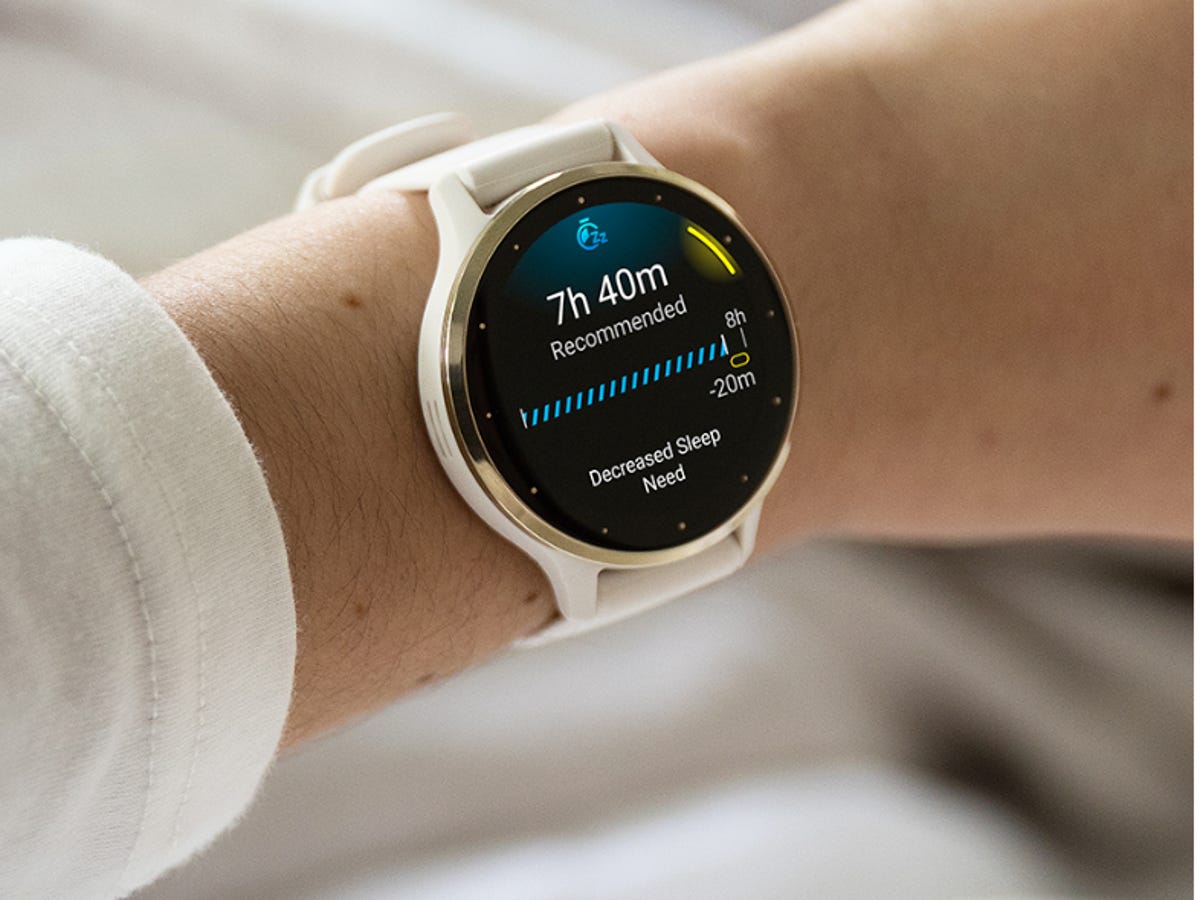
Garmin’s Venu 3 Smartwatch Can Track Your Naps and Has 14-Day Battery Life – CNET
- OnePlus Watch 3: Multi-day battery champion for those who hate charging.
Key Insights: What 2026 Smartwatches Teach Us
The real story isn’t specs—it’s behavior change. Apple’s hypertension alerts push preventive care; Samsung and Google’s AI coaches make fitness feel guided rather than guesswork. Battery finally allows true 24/7 wear, making sleep tracking reliable for everyone.
Fresh take: In emerging markets like India, offline features (satellite SOS, multi-day battery) and affordability matter more than ever. The Pixel Watch 4’s repairability could extend device life in humid climates where wearables often fail early.
Ecosystem still rules: iPhone? Go Apple. Samsung phone? Galaxy Watch 8. Pure Android? Pixel Watch 4. Cross-platform? Garmin or OnePlus.
Ready to Upgrade Your Wrist?
The best smartwatch in 2026 depends on your phone and priorities—but all three flagships deliver transformative experiences. My recommendation? Test in-store if possible, then grab the one that matches your ecosystem.
What’s your current smartwatch, or which one are you eyeing? Drop a comment below—I read every one! Subscribe for more 2026 tech deep-dives, and check the links above to shop (prices fluctuate). Your health journey starts on your wrist—make it count. 🚀
